See the inside of your sewer line before you guess.
Sewer Camera Inspection in Tucson, AZ
A sewer camera inspection takes the guesswork out of a pipe problem. We push a camera with a built-in transmitter through the full lateral from the cleanout to the city main. You watch the feed live on a monitor while we narrate what we see — roots at a joint, a crack, a belly holding waste, scale narrowing the wall, or a collapsed section. When we find a problem, a locator above ground marks the exact spot and depth at the surface with paint and flags, so anyone digging a repair knows right where to go.
When You Need This
Signs You Need Camera Inspection
- You are buying a home and want to know the sewer line is sound.
- Your line keeps clogging and you want to find the cause.
- A backup was cleared and you want to see what caused it.
- You are planning a remodel and need to confirm the lateral is okay.
- You noticed a sinkhole or wet patch in the yard over the sewer line.
- You want to know whether a repair is coming before it becomes an emergency.
The Real Scope
What Is Actually Included
Push camera with locator
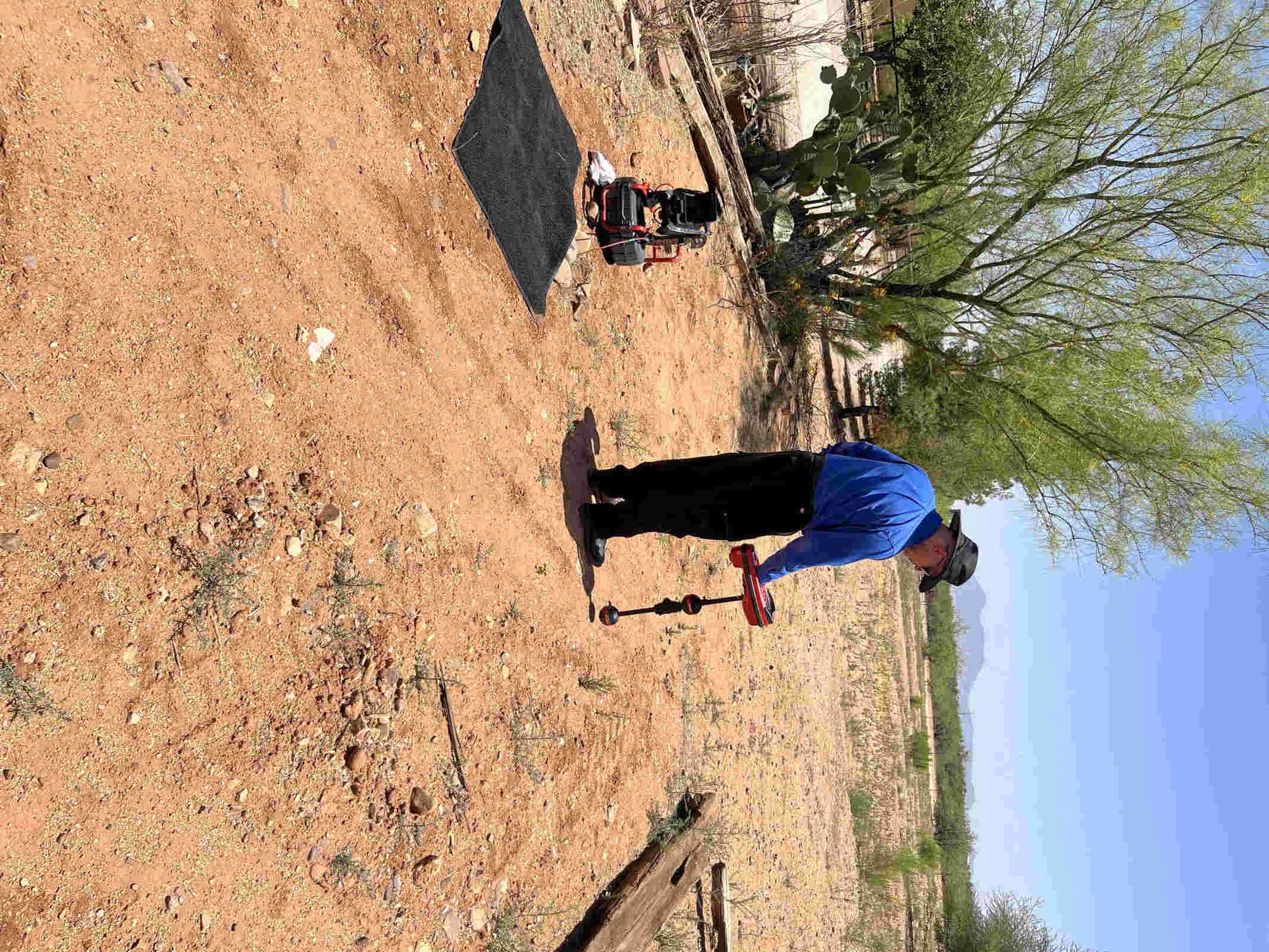
We use a push camera with a built-in transmitter. As the head moves through the line, a locator above ground pinpoints its position and depth, so we can mark a problem at the surface without digging.
Full lateral inspection
We run the camera from the cleanout to the city main, inspecting every foot. We do not stop at the first thing we see — a second problem further down is common, and we catch it.
Live video review with you
You watch the feed live on a monitor. We narrate what we see — roots, a crack, a belly, scale, a collapsed section — and answer your questions on the spot. Not a report handed to you later.
Problem location marking
When we find an issue, the locator marks the spot on the ground with paint and flags. You know exactly where the problem is and how deep, which matters if a repair is ever needed.
On the Job
Camera Inspection in Action

Our Process
How We Do It
Access the line
We use a cleanout when available. If there is no cleanout, we can go through a toilet flange or a roof vent. We tell you what access we are using and what it means before we start.
Push the camera through
We feed the camera head from the cleanout to the city main, watching the feed live. The transmitter in the head lets the locator above ground track the position and depth the whole way.
Mark and document problems
When we see a crack, root intrusion, belly, or collapse, we mark the spot on the surface with paint and flags. You see it on the monitor and you see it on the ground at the same time.
Give you the assessment
You get a written summary of the pipe condition. If a repair is in your future, you have the location, the depth, and the information to plan it on your own timeline.
Tucson-Specific
What a camera finds in Tucson sewer lines
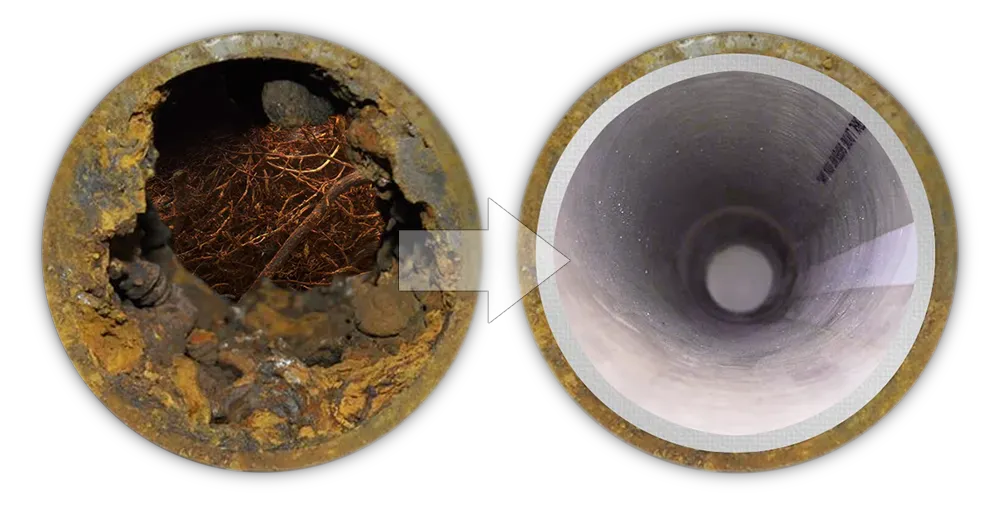
Root intrusion is the most common finding. Palo verde, mesquite, and ash roots push into sewer laterals through the smallest joint or crack. On camera you see it as a fibrous mass hanging into the pipe, often at a joint. The locator marks the entry point at the surface so you know exactly where the roots are getting in. If the intrusion is light, a maintenance plan may be enough. If the joint is badly cracked, a repair is in your future — and now you know before it backs up.
Pipe belly is the second. A belly is a section of pipe that has sagged and holds a pool of water and waste. On camera it looks like the pipe dips down and back up. Debris settles in the low spot and causes recurring clogs. In Tucson, soil movement — especially during monsoon saturation — shifts aging clay and cast iron laterals and creates bellies. The camera and locator show you exactly where the sag is and how bad it is.
Scale and corrosion show up on older cast iron. The pipe wall looks rough and crusted instead of smooth. Scale narrows the line and makes it clog more often. Corrosion means the pipe is failing from the inside. A camera tells you how much usable pipe is left and whether a cleaning will buy you time or whether replacement is the honest answer.
Collapsed sections are the serious finding. On camera the feed goes dark or you see a wall of soil. A collapse usually means the pipe has to be replaced, and the locator marks the exact spot so the repair crew digs in the right place. We find collapses most often in pre-1970s clay and cast iron laterals, and frequently after a hard monsoon has shifted the ground.
Honesty First
What We Do Not Do — And When We Will Tell You No
- We do not use the inspection to pressure you into a same-day repair. You take the information and decide on your own timeline.
- We do not stop the camera at the first problem. A second issue further down the line is common, and we inspect the full lateral to the city main.
- We do not hand you a report later and leave. You watch the feed live, we narrate what we see, and we answer your questions on the spot.
- We do not charge you for a camera when you just paid to clear a main line. It is included, because you deserve to see what caused the clog.
Related Services
Main Line Cleaning
We clear the full lateral, locate the line to find the cause, and tell you whether this is a one-time clog or a pipe problem that will keep coming back.
Learn moreHydro Jetting
Jetting strips the pipe wall down to bare material — scale, grease, and small roots gone in one pass. We camera before and after so you see the difference.
Learn moreRoot Removal
We cut the roots out, camera the line to find where they are getting in, and tell you whether a repair or a maintenance plan is the honest next step.
Learn moreCamera Inspection FAQ
Drain Backing Up Right Now? We Dispatch 24/7.
Same flat-rate pricing, seven days a week. No surprise charges.
Get Your Free Estimate
Same-day service available. We will call you back in under 15 minutes.
Get a Free Estimate — Same-Day Service Available
No obligation. We will call you back in under 15 minutes during business hours.
No obligation. We will call you back in under 15 minutes during business hours.