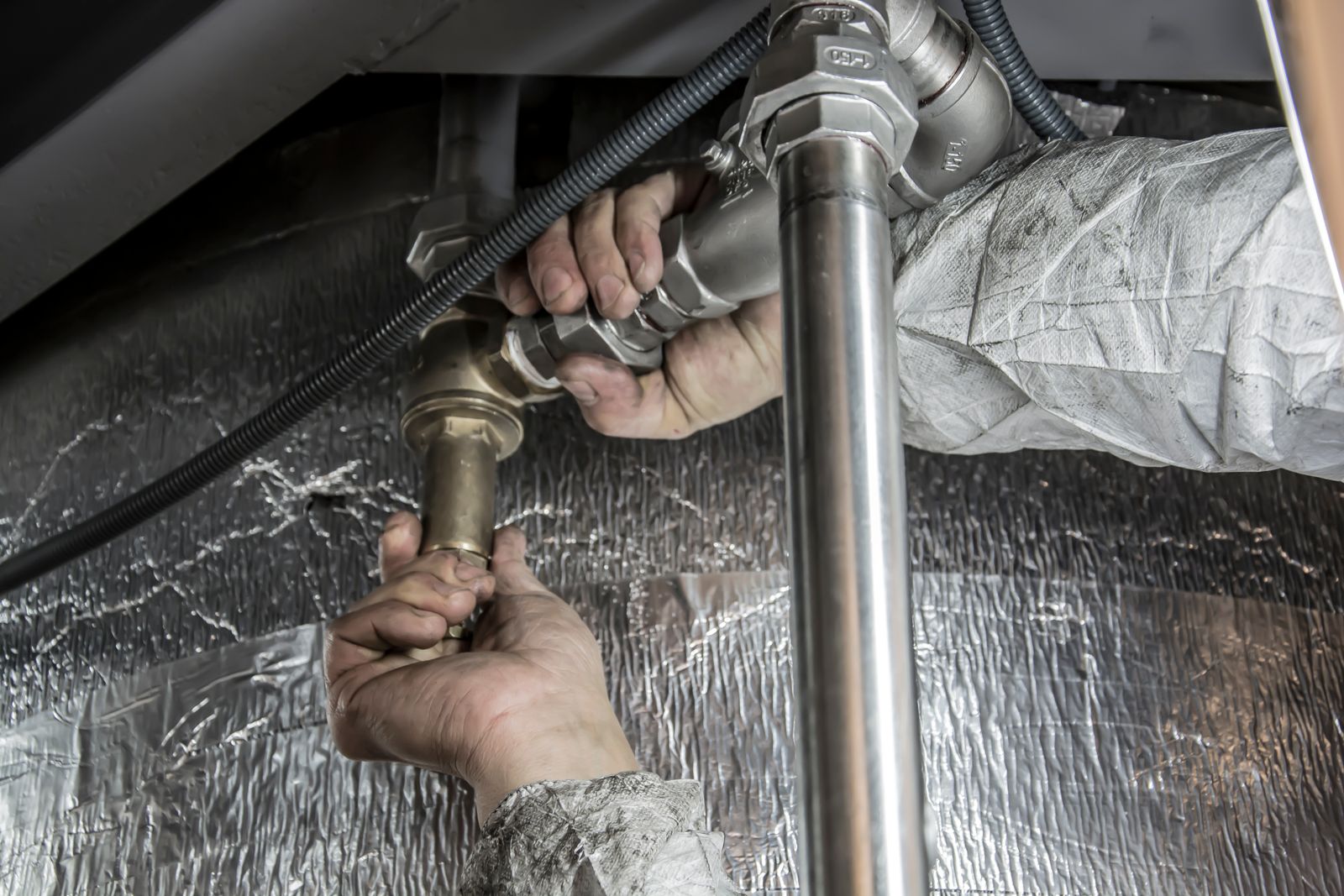
High-pressure water that scrubs the pipe clean.
Hydro Jetting in Tucson, AZ
A cable machine clears a clog by punching a hole through it. The pipe wall still has scale, grease, and root fragments clinging to it, which is why the clog comes back. Hydro jetting is different. A 4,000 PSI jetter with a spinning nozzle scrubs the entire pipe wall down to bare material and flushes the debris out to the city main. The line runs at its full diameter again, not a narrowed channel. For Tucson homes fighting hard-water scale and grease buildup, jetting is the difference between a clean line and a recurring clog.
When You Need This
Signs You Need Hydro Jetting
- Your line keeps clogging and a cable clear only buys you a few months.
- A camera shows hardened scale or grease coating the pipe wall.
- You run a kitchen or restaurant and grease buildup is constant.
- Roots have been cut out but keep returning at the same spot.
- You want the line clean before a camera inspection or a lining job.
- A cable machine is not restoring full flow to a long lateral.
The Real Scope
What Is Actually Included
4,000 PSI jetter
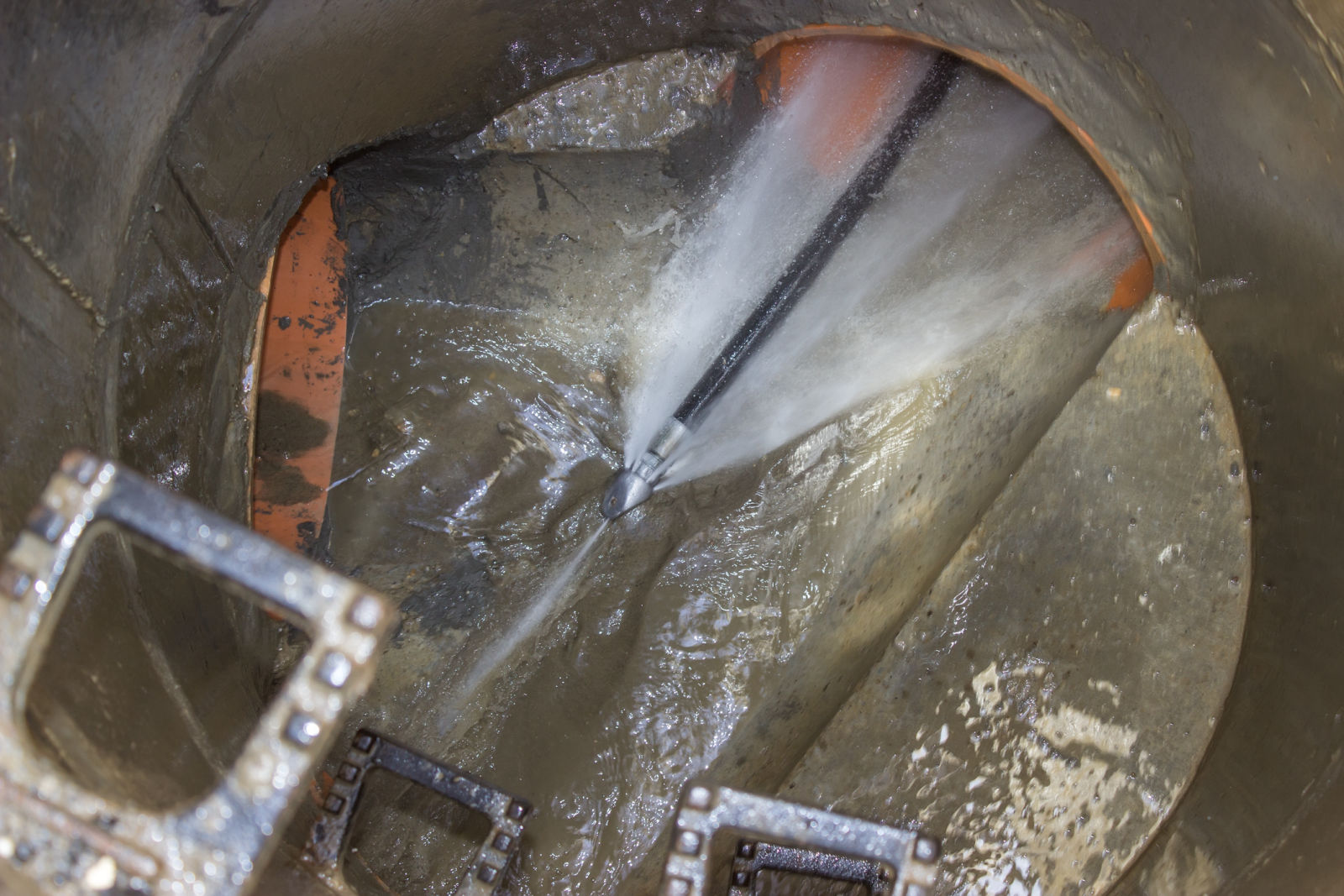
We run a jetter rated to 4,000 PSI with a spinning nozzle that scrubs the pipe wall. Forward jets cut the clog, rear jets pull the head through and wash debris out to the city main.
Pre-jet camera inspection
We camera the line first to confirm jetting is the right call and to check for cracks or a collapsed section. Jetting a broken pipe can make a small problem worse, so we look first.
Post-jet camera verification
After jetting we camera the line again so you can see the pipe wall clean. You compare before and after on screen. No guessing whether it actually worked.
Full line cleaning
We jet the entire lateral, not just the clogged section. Scale and grease build up along the whole run. Cleaning only the bad spot leaves the rest to clog next month.
On the Job
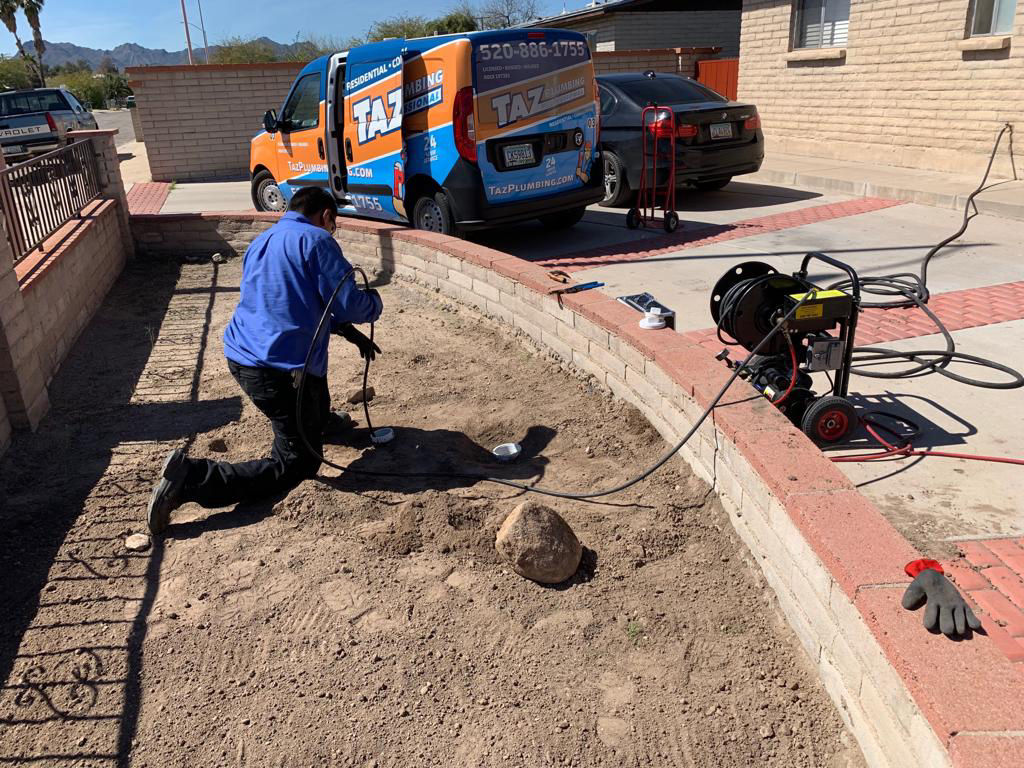
Hydro Jetting in Action
Our Process
How We Do It
Camera the line first
We inspect before we jet. If the pipe is cracked, collapsed, or has a severe belly, jetting can force water through a break and wash out the soil underneath. We confirm the pipe is sound before we turn on the pressure.
Choose the right nozzle
A penetrating nozzle breaks through a clog. A chain or warthog nozzle scrubs the pipe wall. We pick the head based on what the camera showed — grease, scale, roots, or a mix.
Jet the full lateral
We feed the hose through the line and jet the entire run to the city main. The rear jets pull the head forward and flush debris out. We work the head back and forth over stubborn buildup.
Camera the line after
With the pipe clean, we run the camera again. You see the wall stripped down to bare pipe. We confirm full flow and show you any spots the camera flagged before that are now clear.
Tucson-Specific
Why Tucson pipes need jetting more than most
Hard water is the main reason. Tucson water is heavy in calcium and magnesium. Inside a pipe, those minerals precipitate out and form a scale layer on the wall — the same crust you see on your showerhead and faucet aerators. Over years the scale thickens and narrows the pipe. A cable punches a hole through a clog, but it does not remove the scale. Jetting at 4,000 PSI strips it back down to bare pipe so the line runs at full diameter again.
Grease compounds it. Kitchen grease cools and sticks to the rough, scaled pipe wall where a cable would slide past. Layer by layer it builds up until the line is half blocked. Jetting cuts grease the way hot water and pressure should — it emulsifies the grease and flushes it out. For homes with long kitchen waste lines, and especially for restaurants, jetting is the difference between a clean line and a recurring clog.
Roots respond to jetting too, with a catch. A jetter with a cutting nozzle slices through small root intrusion and washes the debris out. But jetting does not stop roots from coming back through the same crack. If the camera shows a root entry point, we tell you. The fix for recurring roots is either a maintenance jetting schedule, root removal with cutting blades, or a pipe repair — and we lay out which makes sense for your situation.
We camera before we jet, every time. Tucson has a lot of aging cast iron and clay pipe. Jetting a pipe that has cracked or collapsed can drive water through the break and wash out the supporting soil, which leads to a sinkhole. The pre-jet inspection catches that. If the pipe is not sound, jetting is the wrong tool and we tell you before we turn anything on.
Honesty First
What We Do Not Do — And When We Will Tell You No
- We do not jet a line without a pre-jet camera inspection. Jetting a cracked or collapsed pipe can cause a sinkhole, and we will not take that risk with your property.
- We do not push jetting on every clog. A simple branch clog clears faster and cheaper with a cable. We tell you when jetting is the right call and when it is overkill.
- We do not jet only the clogged section. Scale and grease build up along the whole lateral, so we clean the entire run or the clog just moves down the line.
- We do not skip the post-jet camera. You see the pipe wall clean on screen, or the job is not done.
Related Services
Drain Cleaning
We clear the full blockage, locate the line and find the cause, and tell you why it clogged so it does not happen again in four months.
Learn moreCamera Inspection
You get a live look at the full lateral, the problem marked at the surface, and a written assessment. No guessing, no sales pressure, just the pipe on screen.
Learn moreRoot Removal
We cut the roots out, camera the line to find where they are getting in, and tell you whether a repair or a maintenance plan is the honest next step.
Learn moreHydro Jetting FAQ
Drain Backing Up Right Now? We Dispatch 24/7.
Same flat-rate pricing, seven days a week. No surprise charges.
Get Your Free Estimate
Same-day service available. We will call you back in under 15 minutes.
Get a Free Estimate — Same-Day Service Available
No obligation. We will call you back in under 15 minutes during business hours.
No obligation. We will call you back in under 15 minutes during business hours.